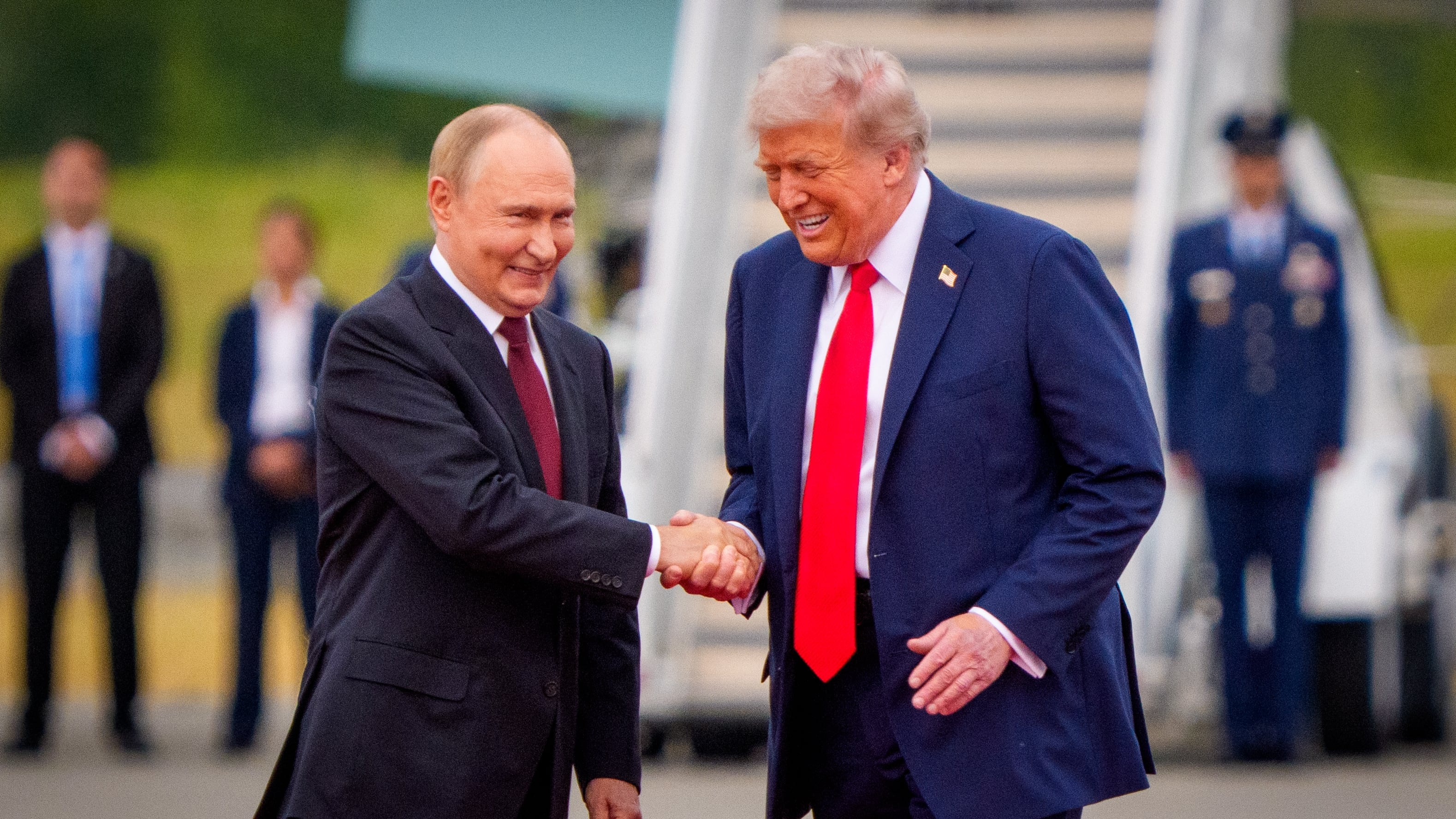
Opinion: Decoding Trump's Alaska Summit – More Show Than Substance?

The recent summit between President Donald Trump and Russian President Vladimir Putin in Anchorage, Alaska, has been the subject of much debate. While some may hail it as a diplomatic breakthrough, a closer look suggests it was more of a carefully orchestrated performance – a reality TV show playing out on the world stage. But was it truly effective?
According to some analysts, Trump's motivations were multifaceted. Firstly, it served as a potential distraction from domestic issues, particularly those surrounding scrutiny around past relationships. Secondly, it aimed to deflect attention from concerns about the U.S. economy. But perhaps most importantly, the summit provided an opportunity for Trump to reinforce his own self-perception and narrative, with Putin seemingly playing a supportive role.
Trump's apparent satisfaction was evident throughout the event. Putin’s arrival, the red-carpet welcome – it all seemed designed to validate Trump's image as a powerful world leader. Observers noted Trump's enthusiasm when Putin echoed Trump's favored narratives, such as downplaying the Russia investigation and even hinting at agreement regarding the 2020 election. These affirmations likely served to bolster Trump’s perception of himself and his accomplishments.

Putin's willingness to play along with Trump's script, even if superficially, allowed Trump to declare victory. Despite the absence of concrete agreements or resolutions, Trump lauded the summit as a resounding success. However, critics point out that the event lacked substance, with no clear areas of agreement and a shortened program. Was it all just for show, with little actual progress made?
Following the summit, Trump engaged with Ukrainian President Volodymyr Zelensky, signaling a continued effort to pursue a peace agreement. However, some sources suggest that Putin remained firm on key issues, casting doubt on the likelihood of a breakthrough.
Critics argue that by hosting Putin and offering him a grand welcome, Trump inadvertently gave Putin a significant win, effectively ending his isolation from the international community. Instead of focusing on potential penalties for Russia's actions, Trump spoke of future economic opportunities, raising questions about the true dynamics at play.

The summit raised questions about Trump's long-term strategy. Was he truly seeking a lasting peace, or was he simply playing a role for the cameras? Some observers suggest that Putin understands Trump's desire for validation and is adept at manipulating him to achieve his own objectives.
There are those who suggest that, beneath the surface, Trump himself might be realizing the limitations of his approach. His demeanor during the closing press conference appeared subdued, perhaps hinting at a growing awareness of the complexities of international diplomacy. Whether this signals a shift in strategy remains to be seen.

Ultimately, the Alaska summit leaves us with more questions than answers. Was it a genuine effort towards peace, or simply another episode in Trump's reality TV presidency? Only time will tell whether any lasting progress will emerge from this high-profile encounter. What do you think? Leave your thoughts in the comments below!
Key Takeaways: The Trump-Putin summit, international relations, geopolitics, Donald Trump, Vladimir Putin, Alaska, foreign policy, peace talks, U.S. economy, media analysis.
```