Hegseth's Lawyer Reportedly Behind New Pentagon Media Restrictions
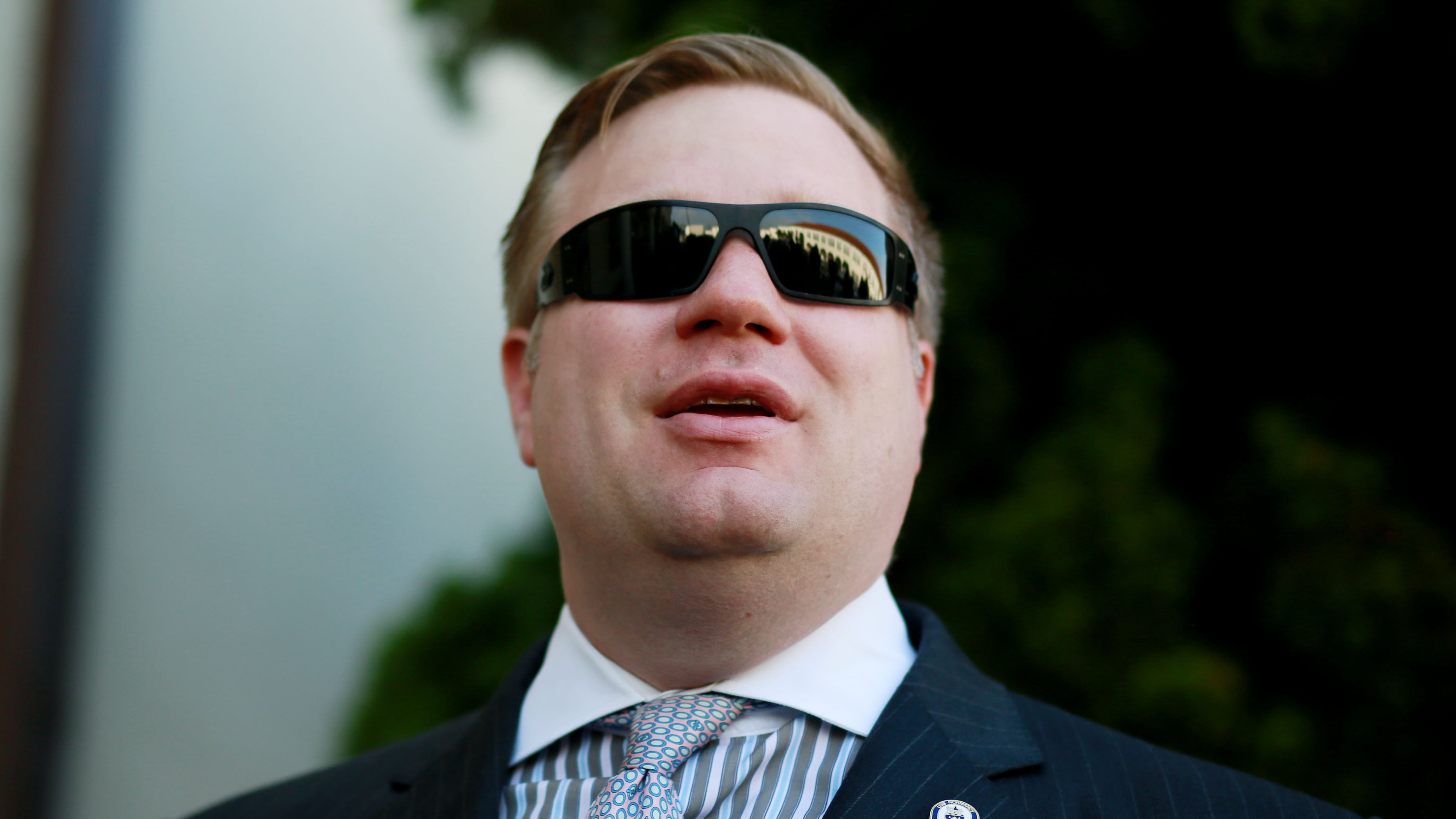
A new Pentagon policy restricting media access has sparked controversy, and reports suggest a key figure behind the scenes is Tim Parlatore, a longtime personal lawyer of Defense Secretary Pete Hegseth. The policy, set to take effect this week, requires credentialed reporters to sign a 21-page agreement acknowledging they won't solicit information not pre-approved by the Pentagon. This has raised serious concerns about press freedom and potential overreach.

The Washington Post reports that Parlatore was instrumental in shaping this sweeping new policy. The agreement states that requesting unauthorized information could be construed as “soliciting or encouraging government employees to break the law.” Reporters who refuse to sign face losing their credentials and access to the Pentagon.
Parlatore, who joined Hegseth’s staff in March as a Navy Reserve officer, insists the new guidelines aren't designed to shield Hegseth from scrutiny. He told The Post, "It has nothing to do with embarrassing the secretary… this is purely focused on preventing criminal activity."

However, numerous news organizations, including The Washington Post, have refused to sign the agreement, citing concerns about its impact on the ability of journalists to do their jobs. Pentagon officials reportedly anticipate potential legal challenges to the new rules.
Parlatore's dual role as a uniformed officer and private lawyer, still representing clients, has also raised eyebrows within the Defense Department. Some officials have questioned whether his influence blurs ethical lines.

Parlatore's influence within Hegseth's office is reportedly significant. He's been described as unusually powerful, playing a central role in shaping Hegseth's policies. This includes the use of polygraph tests to identify internal leakers, a move that previously drew White House scrutiny.
This new policy marks another instance of Parlatore's legal guidance on sensitive Pentagon matters. He's also involved with the Defense Department's inspector general review of how Hegseth's team handled classified information.
Parlatore defends the new media policy as necessary to protect information security and insists it follows existing conflict-of-interest rules. He argues that his experience as a criminal defense attorney offers the department "expertise no active-duty lawyer could provide." He has represented high-profile figures, including Donald Trump and Navy SEAL Edward Gallagher.
The strong pushback against the policy, with over 30 news organizations refusing to sign, including Reuters, Associated Press, Bloomberg News, The New York Times, The Wall Street Journal, The Washington Post, CNN, CBS, NBC, ABC, NPR, Axios, Politico, The Guardian, The Atlantic, The Hill, Newsmax, Breaking Defense and Task & Purpose, highlights the significant concerns about its potential impact on press freedom and the public's right to know. Even Fox News, Hegseth's former employer, has declined to sign.
Chief Pentagon spokesperson Sean Parnell stated that the policy only asks reporters to acknowledge their understanding of the policy and that the department stands by it. President Trump has said that Hegseth finds the press to be "very disruptive."
This developing story raises important questions about the balance between national security and freedom of the press. Stay tuned for further updates as this situation unfolds.
```